Trainspotting: A Very Deserving Icon

My partner and I often find it difficult to agree on a film to watch in the evening but after I said I’d never seen Trainspotting (1996), he decided that there was nothing else we could watch. So we settled down to watch one of the most iconic British films of all time.

Now, going into this, I only knew a handful of things about the film, mostly through my good friend Alex who absolutely loves the film. The sum of my knowledge amounted to: the film is about heroin and Ewan McGregor is in it. Which honestly is probably the best way to go into the film. I am going to be spoiling the film in this article so if you haven’t seen it, go and watch it because it absolutely lives up to the hype!

So the opening had me a little upset because the opening speech, which is one of the most iconic speeches of all time and of the film, really seemed to romanticise heroin use to me. Of course the film does that on purpose because it completely flips that romanticism on its head as the film goes on.

The character of Renton is perfectly created within the first few minutes. We already know everything there is to know about him and we relate to him. He is an average man who just wants to get his kicks, and sadly that kick is heroin. His opening speech makes us realise what is so appealing about heroin and how he has made the choice to take this path in life. Following his character arc throughout the film makes you realise how badly heroin truly destroys lives but also how it can be turned around. Again, the fact that we relate to him makes us proud when he’s able to get away from Scotland and start his new life in London, and sad when his life begins to catch up with him again.

When Kelly MacDonald’s Diane first appeared on screen I fell in love with her. Her hair, her dress, the way she dismisses the man in the bar, and the way she speaks to Renton. She was made to be the most desirable person in the film and my goodness it worked on me! But I have never seen comedic timing in my life quite like the moment when it is revealed that Diane is still in school and fourteen years old. I genuinely had to take a moment to pause the film and my partner watched me wander around the room laughing harder than I imagined I would at a film about heroin.

The scene which hit me hardest, as I’m sure it did with most, was when the baby died. Now I knew this was coming as I had been warned, and I was glad it wasn’t a more brutal death brought on by someone’s bad trip. Nonetheless it was a blow at the perfect time in the film which signified Renton reaching the lowest point of his addiction. This being followed by Spud being sent to prison and Renton going cold turkey off the heroin, you truly get the feel for how low he has reached.

The cold turkey scene was also one that I found to be incredibly harrowing. Many believe this scene is where the film gets its name as Renton’s bedroom walls are lined with trains (however the director, Danny Boyle, later said this wasn’t the case). The filming of this scene truly helps the audience understand what Renton is going through and how badly scrambled his life has become. The use of the baby and Spud in this scene really got to me emotionally, not to mention the acoustic overload I began to suffer, but that is obviously the goal as (although I have no personal experience) that is what heroin withdrawal is like.

Another harrowing storyline we are introduced to in this scene is Tommy’s decent into heroin abuse and his eventual death. I think I found this the saddest plot because we join most of the other characters when they are already addicted to heroin. Renton for example we see go from addicted, to rock bottom, to recovery. Tommy, however, we see as a successful young man who is very healthy but after a break up he turns to heroin, contracts aids, and dies from toxoplasmosis. Watching a character devolve that quickly throughout the film is an incredible way to show just how bad the effects of heroin can be.

Something I did notice about this film, which made it perfect in my opinion, is that it has a very intricate balance between the dark and the humorous. Of course you can’t make a complete comedy about heroin because it’s such a serious subject, but the seriousness does need to be broken apart. Some prime examples of this are the moment where spud souls the bed sheets and it end up all over his girlfriend and her family, the conversation during Tommy’s funeral, and of course the revelation of Diane’s age. These moments create respite for the audience and make the film easier to watch, but also emphasise the most terrible moments.

The final heroin deal felt to me like the most anxiety inducing scenes. At this point Renton’s life has gotten markedly better, but his old life is starting to catch up with him. Watching him try heroin again and help move the heroin from one place to another, you get worried that he will get in trouble or fall into addiction again. The final scene of him walking away with the money and repeating the speech from the opening (but now slightly different) even made me feel liberated! This also being followed by Spud getting some of the money because he was the only one that Renton cared about made me smile and felt like a very wholesome ending to the film.

I always get very worried when watching films that I know are incredibly famous because I’m always concerned that they won’t live up to my expectations. This film though, was exactly what it promised and more! And then to go on a read about the budget and how quickly it was made, it gives the student film maker in me a lot of hope! Furthermore, the films ability to capture the culture of the 90s both through visuals and the soundtrack, really helped to create its iconic status and also why younger generations continue to watch the film as culture is so cyclical. This is an incredible film which will most likely be relevant forever.
The Easy Way for Disney to get the Diversity it Wants

For me this is a very simple article to write and I’m amazed it hasn’t been at the forefront of Disney’s mind since the demand for more diverse stories started.

Of course Disney started off with princesses and stories of “far away lands” which are actually just… Europe. Now these princesses which Disney started off with were very passive characters who didn’t think about anything but getting married and being what we think of the stereotypical “house wife”. Princesses like Cinderella, Snow White, and Sleeping Beauty are the ones now being reimagined as more active characters, despite the original renditions being closer to the fairytales depiction of these characters and their stories (minus some of the gruesome bits).

Then the new wave came in with princesses like Mulan and Jasmine. These ladies were courageous, diverse but they still fell for the guy by the end of the film. This is what a lot of people consider to be the best years for Disney princesses, because there was diversity that didn’t feel forced. Disney wasn’t trying to appease anyone by making diverse characters, and this helped make the stories more enjoyable!

Now, I feel, that Disney is falling off. All it’s major releases at the moment are remakes of its earlier best sellers, so now every time you see the head line “Disney is remaking a live action remake of BLANK” you roll your eyes and groan because that’s not what we want! Yes we are in a time where we crave nostalgia, hence the reason why so many hit movies and shows are themed around the 80s and 90s. But we want a time when Disney films were amazing, not a remake of the films that were amazing.

After recently watching Onward (2020) in the cinema, it was an ok and enjoyable film, but the inclusion felt forced! Obviously it’s not racial inclusion because the film is quite literally about trolls but the disabled and LGBT+ inclusion was included. Now don’t get me wrong, I want inclusion, but not when it’s shoved in and feels so in your face that it’s out of place.

So, what is the easy way for Disney to get the inclusion it wants? Just tell stories! Simple as that. Mulan is a real Chinese folk tale, in fact all the best Disney princesses are from old folk tales, the most recent being Moana. The disabled and LGBT+ community can be included in this too, there are plenty of famous stories about queer and disabled icons. All Disney have to do is go back to storytelling in its purest form, take a folktale or and icon, take out the gruesome bits and make it wholesome!

For example, after some simple googling, I have already found some incredible tales from around the world; the Japanese Momotarō, the African Adventures of the Jackal (and if they want to make sequels there are the adventures of his older and younger sons) or The Daughter of Buk Ettemsuch. Now yes some of these are gruesome tales, but like I said so are stories like Cinderella and Rapunzel in the original brothers grim tales. Take these stories and make them a little more child friendly (but consult the people who’s story it is, don’t just use random people who have no emotional connection to the stories)

There are plenty of true stories about LGBT+ aristocracy, as well as folklore from many countries where two females or two males fall in love with each other. Furthermore, there are plenty of deities and demons which aren’t gendered and can be used to tell stories for non binary people. Also I don’t know if you know about an eastern folklore tale about the moon which originated as it being male but slowly became female over time through various tales but there’s and easy trans story for you Disney.

Finally, the one story that I truly believe would create a wonderful story for the disabled community is the story of Burial 9 in what is now northern Vietnam. The man found in this grave from 4000 years ago was supposedly paralysed from the waist down by the time he reached adolescence but he was looked after by his tribe, contrary to the beliefs of many. This was real person that you can create a story around in order to create an amazing role model for children with disabilities.

It is so easy for Disney to have the diversity and representation they want and need! It took me only a few Googles to find a wealth of folklore from around the world, I genuinely wonder what sort of incredible stories could be made into beautiful films given the proper research.

Ghost stories: a return to cliché horror

If you haven’t seen it, Ghost Stories is a film from 2017 which you can watch on BBC iplayer. Just the fact that I’m writing about it you can tell that I would highly recommend it but here are some reasons as to why.

First of all, the acting in it is superb! Of course you can never go wrong with Martin Freeman, who plays an amazing obsessive father and later a very unnerving antagonist, and of course Paul Whitehouse, who, instead of being his usual comical character, plays a father plagued by an encounter with a ghost. But I would give most credit to Alex Lawther, who plays an incredible paranoid young adult without playing too much into stereotypes and making the performance unconvincing. And of course the main character played by Andy Nyman, perfectly shows the arc of a man going from a complete paranormal sceptic to a fearful and enlightened believer. All of these actors and their characters merge together perfectly to help create the suspense necessary to the stories told.

Now if you haven’t seen this film beware because to properly tell you about the cliché of this film I will have to spoil the ending.

… ok, I’ll guess that if you’re reading from now you’ve either watched the film or you don’t mind it being spoiled for you.

So many of the old film clichés revolve around well timed jump scares and a sudden twist at the end. However, since film has been going on for a good 100 years and storytelling has been happening pretty much since the beginning of time, it begins to become difficult to come up with new jump scares and decent twists. It’s all well and good that you can come up with a twist but if there’s absolutely no basis for it then it’s completely unbelievable and ruins the film.

Jump scares are difficult not to predict since you’ve got to build up to them otherwise they don’t scare properly, so fair enough that those are predictable. But a common trope in more modern horrors is that they simply build up to scare that doesn’t happen, or build up to scare and have it happen slightly after when it would be expected, so as to momentarily let the audience be calm after expecting a jump scare that doesn’t come. However, when it comes to Ghost Stories, they build up the jump scares and have them happen exactly when you’d expect. And even though you could say “oh but I was expecting that… I knew it was coming” there is still something refreshing about getting scared when you think you’re going to.

Similarly, one of the earliest “horror stories” I’ve ever watched on film was The Cabinet of Doctor Caligari and even the twist in that film is what we now consider to be a cliché. We watch a whole film about Dr Caligari and his somnambulist and at the end it turns out they are all characters in a mad man’s fantasy. This is then very similar to a film like Shutter Island which ends on very much the same premise. But the point it’s these clichés of “it was all a dream!” And “they were dead the whole time!” Became worn out quite quickly and soon became parody, and audiences would moan when it was thrown in pointlessly at the end of films.

Yet, it can be observed that everything in societal culture has a cyclical nature; fashion trends tend to come back every 20 years (although more recently 40), music trends follow the same sort of pattern. There is one pattern I have recognised as having something similar to what I’m seeing in the return of clichéd horror and that’s memes.

Meme culture mostly started off of “me gusta” memes and collectively making fun of something specific like high school musical and Justin Bieber. Eventually memes would get outdated and you would get chastised for using old meme formats. However, overtime some memes would just “not die” or would be used ironically. Out of this ironic use they could sometimes be completely reborn and this is what I think is currently happening with horror. The twists and jump scares were used properly in the early days, then died out and directors were chastised for using them. But now, after these clichés being shunned for years, we are almost glad to see them returned after their ironic use in parodies like the Scary Movie franchise.

In short, after years of clichés being banned in cinema, it’s a refreshing to finally see those clichés because were not used to them anymore, we are used to things being over complicated by modern cinema. So when Ghost stories finishes with the twist of “he’s in a coma and this is a trauma dream” we are quite happy that it’s not something stupid and that’s it wasn’t too predictable. Plus, other things from within the stories such as the characters, the recurring numbers, and the details within the other character’s stories all become tied into the twist within the last 10 minutes of the story. A brilliant film, and a triumphant return for the horror clichés!

The Eyes of Horror

I love horror films, as many people do. Personally I enjoy watching them in order to experience the fear of the situation shown on screen without actually having to experience the events. When watching something like The Descent (Marshall, 2005) my body is reacting to the fear of some creature of the caves coming after me but I’m sitting on my sofa at home and I’m not really in danger… I guess you could call it being a safe adrenaline junkie.

However, one thing that The Descent has in common with almost any other film of the horror genre is that it focuses on vision, or better yet, the lack thereof. Most every horror film plays around with the eyes or vision in someway, but you may be wondering why? and I’m going to tell you.

First off, I won’t kid you, I don’t like the origins of psychoanalysis. I’ve had my quarrels with Freud in the past because personally I don’t see him as a very scientific man. However, I cannot deny that some of his theories (but mostly the theories of his successors) do hold up against modern psychological theories.

Luckily, we are talking about one of his successors; Jacques Lacan. He was the one who said that we learn early on in life (before proper development) where on our bodies we received pleasure. He decided to call the areas “pleasure sites” (I promise, this does all tie into horror films). The pleasure sites included things such as the mouth, the ears, and, you guessed it, the eyes.

Now, the enjoyment of looking is usually called “the scopophilic drive” and lots of psychoanalysts agree that this drive is probably the reason why we love going to the cinema, because we are allowed to stare. Parents always tell you not to stare when you’re younger and, according to Lacan, the reason is because you learn about controlling your pleasure sites until you have repressed them.

So! after that crash course in Lacanian psychoanalysis, we are finally back to the eyes! Now we all know that we get pleasure from seeing, it stands to reason that you would get unpleasure from not seeing.

Take my earlier example of The Descent, the whole film revolves around the fact that the girls cant see what they are doing in the darkness of the caves, and then when they are finally allowed to see around them, they, and by extension you as the audience, get jumpscared by this mostly blind monster of the caves. Even this goes back to Lacan as you are being punished for looking at things, same when your parents would tell you in a hushed tone to “stop staring at that man” and you knew you were in trouble.

Another film that comes to mind is Don’t Breathe (Alvares, 2016) which leans heavily into the theme of restricted vision. Not only is the main antagonist blind but the entire setting is made to feel like the main character, and again the audience, is blind in this situation as no lights are used for almost all of the film (all the scary bits anyway).

There is, however, yet another side to this as eyes are very often mutilated in horror films. I remember when I first watched Hostel (Roth, 2005) and endured the scene where a man takes a blowtorch to a woman’s eye, and when she is rescued it gets cut off and this horrible liquid came dribbling out of her eye socket… bet that grossed you out. But this mutilation is the most obvious of scare tactics because sight is one of our most valued senses, especially when it comes to evaluating danger. So watching someone lose their eye, or get killed through them, like the first jumpscare in The Void (Gillespie, Kostanski, 2016) is incredibly unnerving.

I feel like my main conclusion out of all of this, is that many critics and movie goers, trash modern horror for being “too cliche” with their jumpscares, but the point is it still works because of that unconscious psychology. So bash them all you like! They will still make you scream!

Top 10 Kid’s Films

10.  Rise of the Guardians (2012)

                I’m starting this list off with a DreamWorks film that I became obsessed with when it first came out. At the time that obsession came from having a crush on Jack Frost and being very ingrained in the fan fiction world but now it has more to do with the writing and character development. Already, reimagining stories for characters which have been done hundreds of times before, you’re faced with a bit of a challenge, but rise of the guardians does it perfectly; making Santa a huge Russian thug but still loveable, Tooth being part hummingbird with hummingbirds helping her do all the work, and so on. Also making their common enemy the literal bogeyman that lurks in the shadows puts you on edge even as an adult. Finally, Jack’s character arc as he learns who he is and how he was chosen to be a guardian gives hope to all as he grows from his trauma and is rewarded for being such a good person when he is mortal.

9.  Kung fu Panda (2008)

                Next we have another DreamWorks classic which was so well done that the Chinese government even sat down and asked themselves how they hadn’t made such an amazing cultural film. The main Character, Po, is made fun of constantly for being fat which would bring this film down in my opinion however he still goes on to become the dragon warrior regardless of his weight which also doesn’t change as he is trained, already doing leagues for body positivity. Furthermore, the film doesn’t fall into the horrible trap that animation often does of over sexualising its female characters and still makes all the animals look like animals despite the anthropomorphism. And although I’m not a massive fan of the sequels, they do show a successful relationship between an adoptive parent and child.

8. Megamind (2010)

                Many films have tried to show life from the perspective of the villain, but often these are marketed towards adults. Megamind, however, takes the concept of villainy and superheroes and shows you the pros and cons of each. It teaches kids that getting everything you want, like Megamind does, doesn’t always lead to happiness. It teaches them that running away like Metroman does doesn’t always solve your problems. Really Megamind proves that it’s all in personality; Roxanne falls for Megamind organically because he becomes a nice person, Metroman is a nice person but he has become disconnected due to his privilege, and Hal’s character is very important in villanising a group who many often dismiss. Hal’s “entitled male” persona finally demonises men who believe that women owe them something just because they are nice, even after Hal becomes someone he thinks Roxanne loves… he learns the hard way that personality is much more important than superficial traits.

7. Matilda (1996)

                Finally! Something non-animated! Matilda was one of my childhood favourites and I can still quote almost the entirety of the script, however, it’s only been as I have got older that I’ve realised how important this film would be to someone who is in a similar situation to Matilda. The whole film gives power to a group which is otherwise abused and downtrodden by their family. She also finds her solace and eventually her escape through books and her intelligence, giving a much more productive outlet to these children who would be more likely to go down the same path as their parents later in life. Finally, its wholesome ending gives hope to those both in Matilda and Miss Honey’s position, that no matter what, life can get better.

6. Shrek 2 (2004)

                I am going to talk about the first Shrek later in this list but I do think the second Shrek deserves recognition in its own right. Many sequels can’t always be justified very well however Shrek 2 perfectly expands on the universe of Shrek, explaining  where Fiona comes from and why she a princess, subtly implying why she was cursed, and showing the relationship after the “happily ever after” giving children a more realistic impression of relationships and how they form. Plus we are introduced to new characters who are lovable and three dimensional which is often difficult to do in a sequel with already established characters.

5. Finding Nemo (2003)

                I absolutely love this film! When I was younger it was because of the colours and the idea of fish talking but now for me, this film is much more about the relationships that form in life. The first relationship of Coral and Marlin is one that is very loving and very well portrayed by her early film death which leads to Marlins over protectiveness. Marlin and Nemo’s relationship is central to the story and goes through many changes as Marlin learns to trust Nemo and Nemo comes to understand his father’s protectiveness, this is done through the relationships they have with others while they are apart. Nemo and Gill’s relationship helps Nemo to realise that although he wishes his father would trust him as much as Gill does, Gill constantly puts him in danger. Marlin and Dory’s relationship helps Marlin realise that sometimes being over protective can lead to disaster as many of the times he does trust dory they end up in a worse off position. And I just have to add that thank goodness they didn’t try and force a love story out of this film!

4. Shrek (2001)

                Here it is! As promised! I love Shrek for that same reason as many, because it puts personality above superficial features and creates a love story that slowly blossoms, rather than what the old princess films would do and make the two main characters fall in love without ever having a conversation. Plus, Fiona is a badass and saves herself from the merry men in a matrix style battle, and another one is given to the women in the form of Dragon who takes down the main villain of the whole film! Even more so it teaches that opening yourself to new things in the way that Shrek does can lead to much happier things.

3. The Spy Kids trilogy (2001-2003)

                Yes, you heard me, trilogy… I am not counting the 2011 reboot in this. You may also be asking why I split up Shrek and Shrek 2 and not these three films, and that’s because I like those two films for separate reasons but I love these films for the same reasons. Firstly, because of the representation of the Latinx community, contrary to common depictions, they are a well functioning, relatively wealthy family who all stick together regardless of their hardships, the first film very clearly saying that the kids can’t do everything without their parents but the parents are also pretty helpless without the kids. The ridiculously star studded cast also adds to my love of these films and it baffles me that they all agreed to be in them! Also the fact that these films are based in, and very strongly linked to, the Machete universe and Machete is literally their uncle, is something else that baffles me about these films, and makes me love them even more!

2. Brave (2012)

                I couldn’t help but put a Disney princess film in here, but one that meant a lot more to me than any of the others that I loved when I was much younger. Brave was the first princess film to stray completely away from the idea of a love story. Although of course the main conflict comes out of Merida’s betrothal, the focus of the film is on Merida’s relationship with her mother and how important that connection between them is. The design in this film is also something I love because again neither Eleanor nor Merida are sexualised and the costume designs of all the characters are incredible (although I may be biased because of my Scottish heritage).

1. Klaus (2019)

                Now this one doesn’t spark nostalgia because it came out only last year but this Christmas film is one of the best films I saw last year. Much like Rise of the Guardians, it’s difficult to reimagine a character that is done hundreds of times every year, but Klaus creates the myth of Santa in a way that is very tangible and probably close to the actual story of St Nicholas (however I am still waiting on a proper Turkish Santa). Klaus’ back story makes the audience care for him and the outcome of the story and all characters that are introduced are properly fleshed out and even those who aren’t important to the story become recognisable due to the unique style of animation and character design, which stick to the genetic truths of the races shown in the film. Overall, this story is incredibly wholesome and really pulls at the heart strings.

Red Film

How this film came about

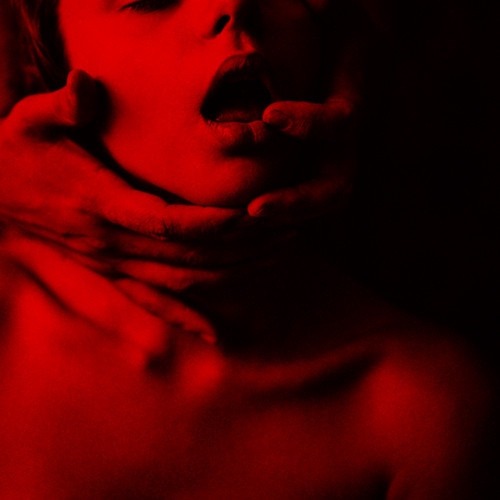
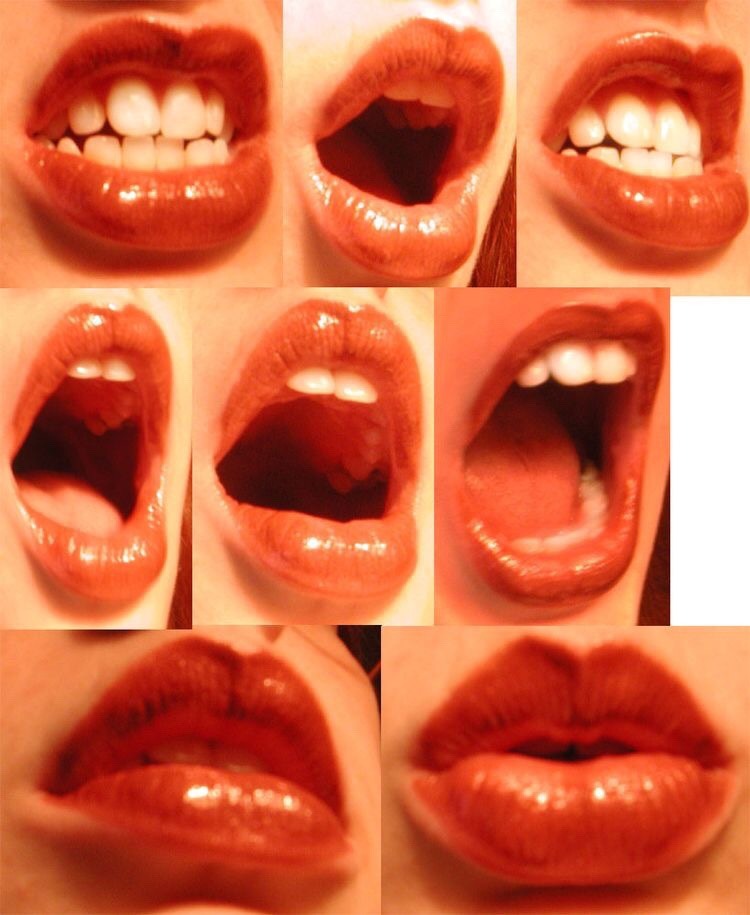
This film started with the idea of filming everyday, brightly coloured objects and editing them together into an experimental documentary to become a rainbow. However, I quickly became infatuated with the colour red and its connotations. Red is known as a very emotionally intense colour, which I can relate to as I am a very emotionally intense person. It is commonly associated with passion, anger, danger, and other such intensities.

Passion

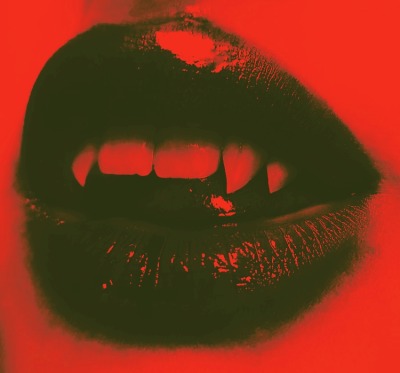
Red is very commonly associated with passion and especially sex as not only is it thought that sex is the most intense way of showing love/attraction, but also on a very basic level, sexual organs will turn a darker red colour during sexual stimulation and is therefore on an unconscious level associated with sex. Furthermore, red has often been associated with sex work/sex workers in the past solidifying this even more. Putting sex on screen is nothing new, however many people find it uncomfortable to watch as we have been socialised to see sex as something private and intimate but this film would encourage people to watch and take pleasure in watching something so primal.

Anger

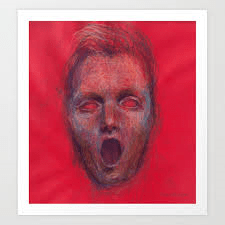
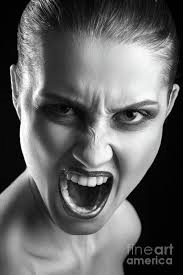
Red is also commonly associated with rage and the fight side of the fight or flight reaction. this again connects to how red is linked to very primal emotions. Also, through proper contrasting light, angry faces can be shown in an artistic and exaggerated way, due to shouting and yelling faces often involving deep lines and shadows

Danger

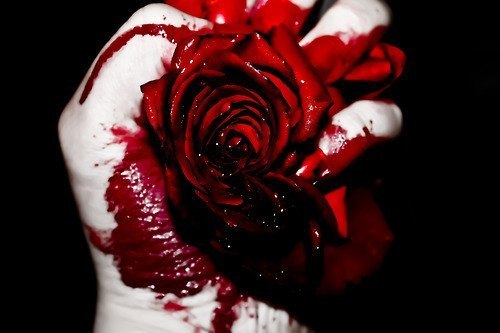
Finally, red is associated with danger, again on a primal level as blood is red and exposed blood unconsciously alerts to others that there is something dangerous that can cause harm. Through film, danger can of course be shown through visuals such as blood but also through the editing; as rapid editing, or editing that gets progressively faster throughout the film, will signify danger to the audience and will keep the audience on the edge of their seat. As you can see, Red is a primal colour and therefore by mixing emotions together with the common connection of a colour, it forces the viewer to indulge in their base needs.

Why I love Get Out

Jordan Peele’s Get Out is undoubtedly a masterpiece but one conversation made me realise how important the film is.

One of my coworkers was speaking to me about Get Out and he said that although he loved the film, he didn’t understand why it was the massive phenomenon that it was.

First of all, it’s probably the best breakout film of the 21st century. Some people may call that a bold statement but I will happily stand by it. Jordan Peele is an incredible director and just his first two films have proven that. Not only has he created completely original storylines but he is also well versed in both horror and comedy. Furthermore, the hidden messages in both films make you watch to watch the film another time around.

Of course, another reason to love the film, and by extension Jordan Peele is his inclusion. He did actually get in some hot water after saying he didn’t want to use white people as his main characters. Obviously those who were offended were white and in my opinion quite ignorant because representation is so much more important than people with privilege realise, and there are already hundreds of thousands of films with white protagonists, so making films with main characters who are people of colour that aren’t built on stereotypes are majorly important for representation within the media.

However, the real reason I love Get Out comes from the realisation that it sent shockwaves through the white community, not just the black community. And I think it did this by perfectly showing how uncomfortable black people are made to feel in everyday life. This is really hammered home by the way Rose’s family speak to Chris and how detached they are from the black community, and even the most ignorant white person would be able to feel the cringe of the way they speak to Chris. Peele then pushes this even further by having Andre, Georgina, and Walter as outwardly black characters but through the incredible acting, it is made obvious that they are detached and inhabited by someone white.

Yet the most evident show of this real life distrust is that Chris is uncomfortable from the beginning of the film about being “around too many white people”. Although we realise by the end of the film that the distrust was completely based in truth, in the beginning it’s just a natural reaction to being around white people. Perhaps if Chris’ quote was taken out of context I would get offended but when watching the film you can’t help but feel that he’s right.

So that’s why I love Get Out. Because it makes the white community see the world through a black persons view, very literally.

Design a site like this with WordPress.com
Get started